
Energy- and Disaster-Related Home Improvement Spending Trending Upward
“Although relatively few homeowners pursue projects with energy efficiency or decarbonization as a primary motivator, market spending on any improvement that ultimately impacts home energy use has expanded greatly in the past two decades,” says Harvard’s Joint Center for Housing Studies 2025 Improving America’s Housing report.
More than a third (34%) of owner improvement expenditures in 2023 were for projects that affected energy use, including exterior and insulation, HVAC, electrical and water heaters/built-in equipment. That was up from 27% in 2003.
For older homes, spending on energy-related projects is considerably higher.
According to most recent 2023 data, the average homeowner of a home built before 1960 spent $1,7000 per year on energy-related projects (36% of total improvement spending), and that number was higher for homes built from 1980-1999 ($1,820) and from 2000-2009 ($1,780). In comparison, homeowners of homes built from 2010-2014 spent an average of $1,160, and those owning homes built from 2015-2019 spent $490.
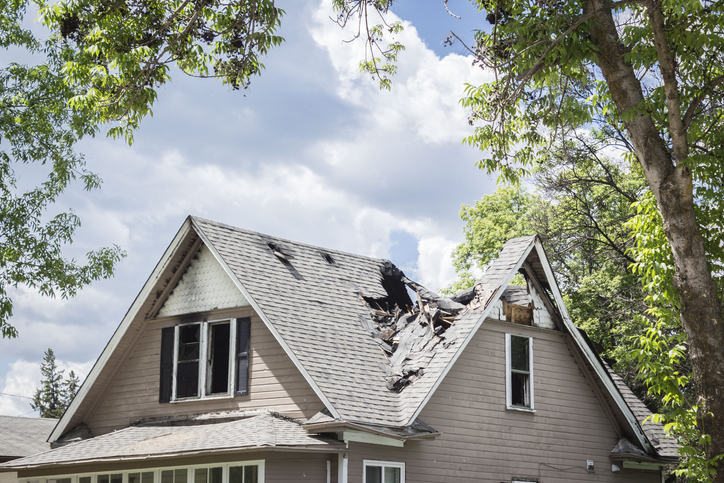
JCHS also reports that disaster-related home improvement spending has ticked up in the past two decades. In 2023, the U.S. experienced 28 weather- and climate-related disasters that reached or exceeded $1 billion in damages. From 2021-2023, homeowners spent $23 billion on average repairing disaster-related damage – up from less than $9 billion 20 years earlier.
Considering 2024 disasters like Hurricanes Helene and Milton and the 2025 Los Angeles wildfires, JCHS predicts that disaster-related home improvement spending will continue to trend upward as more natural disasters fueled by climate change occur.
Categories
Recent Posts









GET MORE INFORMATION